Archives
- 2026-11
- 2026-10
- 2026-09
- 2026-08
- 2026-07
- 2026-06
- 2026-05
- 2026-04
- 2026-03
- 2026-02
- 2026-01
- 2025-12
- 2025-11
- 2025-10
- 2025-09
- 2025-03
- 2025-02
- 2025-01
- 2024-12
- 2024-11
- 2024-10
- 2024-09
- 2024-08
- 2024-07
- 2024-06
- 2024-05
- 2024-04
- 2024-03
- 2024-02
- 2024-01
- 2023-12
- 2023-11
- 2023-10
- 2023-09
- 2023-08
- 2023-07
- 2023-06
- 2023-05
- 2023-04
- 2023-03
- 2023-02
- 2023-01
- 2022-12
- 2022-11
- 2022-10
- 2022-09
- 2022-08
- 2022-07
- 2022-06
- 2022-05
- 2022-04
- 2022-03
- 2022-02
- 2022-01
br Conclusion br Acknowledgement This study was
2024-07-03
Conclusion Acknowledgement This study was supported by NIH/NINDSR01 NS036812-16. Introduction Stroke is the leading cause of disability and the fifth leading cause of death in the United States (Writing Group et al., 2016). On average, every 4 min a human dies of stroke (Lackland et al., 2
Recruitment of the Rad BP
2024-07-03
Recruitment of the Rad9/53BP1 mediator to CGP 54626 hydrochloride mg involves multiple pathways (Fig. 2). In unperturbed conditions, Rad9 is already bound to chromatin via interaction between its Tudor domain and methylated histone H3 at lysine 79 [82], [83], [84], [85]. This constitutive Rad9 recru
The basis for the protonation of chitosan
2024-07-03
The basis for the protonation of chitosan is the alkaline primary amino group, which is also the reason for the special properties of chitosan (Guibal, Van Vooren, Dempsey, & Roussy, 2006; Tamer et al., 2017; Yang et al., 2014). Our previous work (Meng et al., 2012) and several other reports (Yan et
Since all the above vascular and glomerular effects
2024-07-03
Since all the above vascular and glomerular effects contribute to blood pressure regulation, it is expected for 12/15-LOX pathway to play a role in pathogenesis of hypertension (Fig. 6). Indeed, there is evidence for alterations of the 12- and 15LOX enzymes and metabolites both in humans with essent
Another possible scenario is that the
2024-07-03
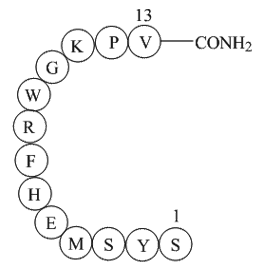
Another possible scenario is that the same pathologic process has different effects in different people. It might be that the pathway outlined in Fig. 6A is operative in some individuals, but other individuals have a factor Q (which could be genetic or environmental) that blocks the effect of A on T
3-Bromopyruvic acid mg br The AHR functions in the immune sy
2024-07-03
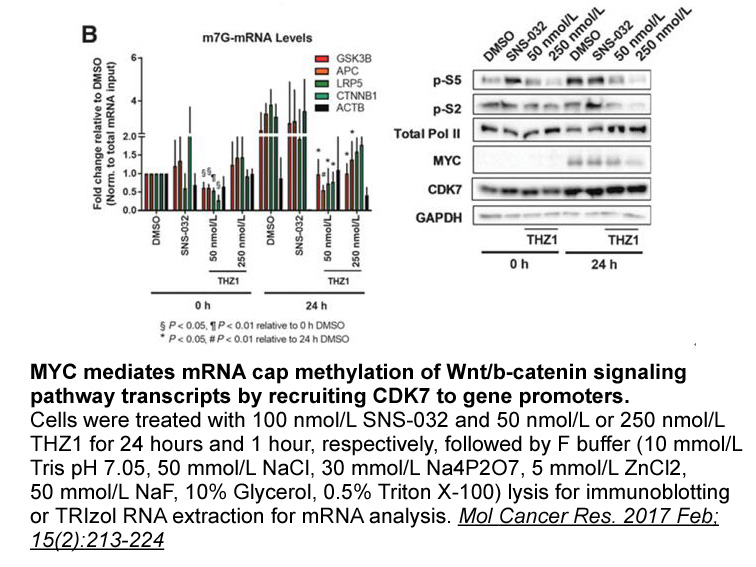
The AHR functions in the immune system – a tsunami of exciting findings The research of recent years has convincingly established an important function of the AHR in linking chemical environmental cues to immune responses [21,22], and reviewed in [1,23]. As a side effect, a view of the AHR as “Th
Unlike in humans hepatic expression of FGF increases in mice
2024-07-03
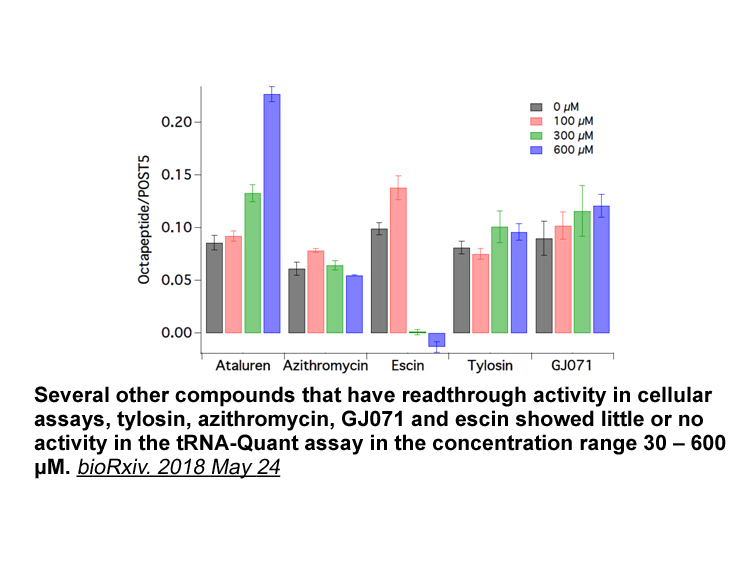
Unlike in humans, hepatic expression of FGF21 increases in mice consuming KD and is a necessary mediator of the physiologic adaptations to the diet. FGF21 knockout (KO) mice gain, rather than lose weight on the diet [6]. FGF21 also activates BAT in part by increasing SNS drive [3,7]. In addition, th
Fig A shows a schematic representation of
2024-07-02
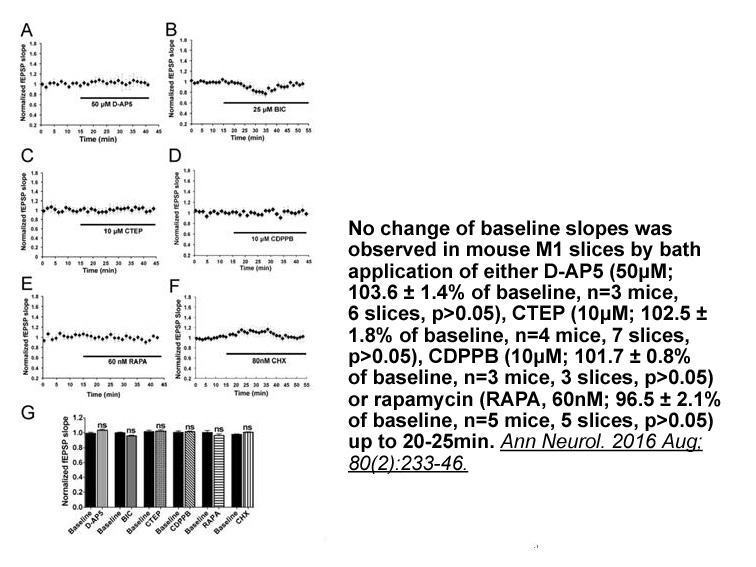
Fig. 2A shows a schematic representation of histological results according to the Franklin and Paxinos Mouse Brain Atlas (2001). The black circles represent the sites of drug infusion that were on-target within the amygdala. Gray circles represent the animals that had infusion locations outside the
br AMPK structure and mechanism of action AMPK is a
2024-07-02
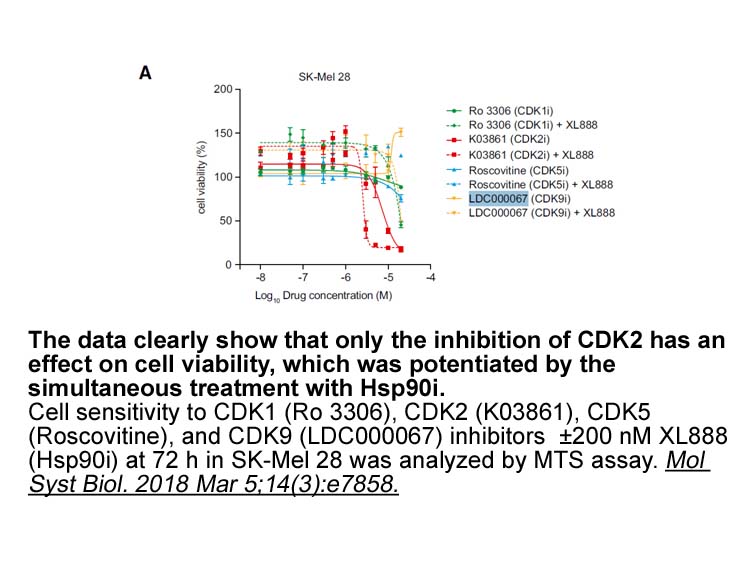
AMPK: structure and mechanism of action AMPK is a metabolic master switch that regulates downstream signals based on shifts in the surrounding energy reservoir [6]. It is expressed in a number of tissues, including the kidney, the liver, the skeletal muscle, the adipose tissue, and the hypothalam
Many metalloenzyme inhibitors consist of two
2024-07-02
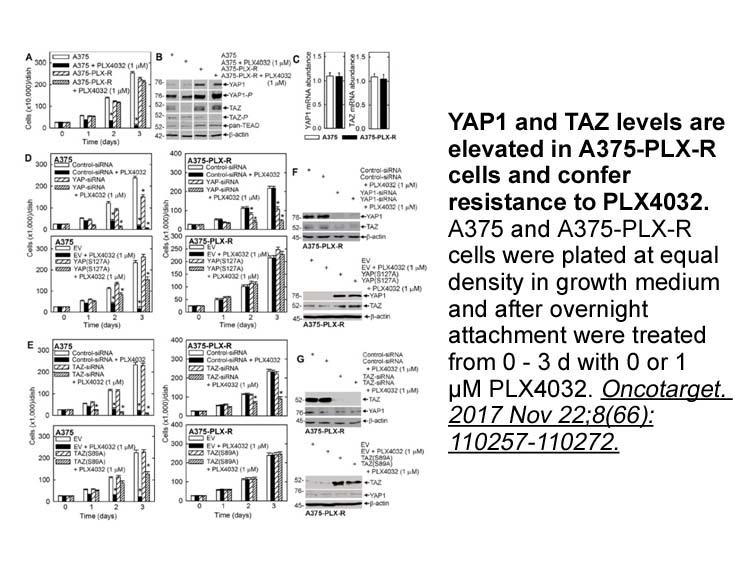
Many metalloenzyme inhibitors consist of two chemical components: the MBG, the portion of the inhibitor designed to bind to the metal, and the scaffold, the portion of the inhibitor recognized by the amino NG,NG-dimethyl-L-Arginine hydrochloride residues that form the substrate-binding site of the
Western blot results showed that the expressions
2024-07-02
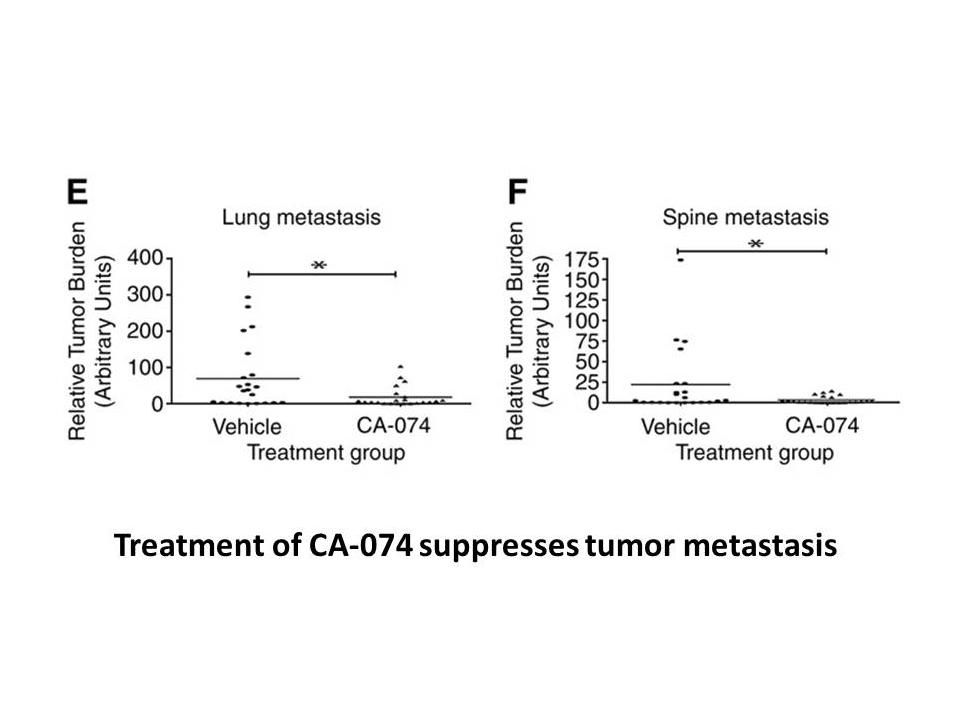
Western blot results showed that the expressions of SOCS1 and SOCS3 significantly increased after administration of rGas6 24h after MCAO (Fig. 7A–C p Discussion After ischemic stroke, inflammation has been shown to be an important secondary injury mediator in patients, as well as in animals (Herz
br Introduction Stroke is a devastating
2024-07-02
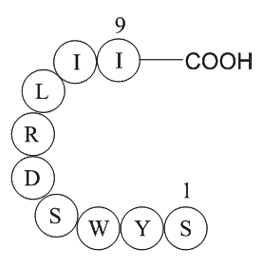
Introduction Stroke is a devastating condition that causes cognitive and motor dysfunction, neurodegenerative diseases and even acute death, and is a leading cause of mortality and morbidity worldwide (Chen et al., 2014a, Wang et al., 2016). Thus, exploration or identification of novel therapeuti
Fmoc-Lys(Boc)-OH br Conflicts of interest br Introduction
2024-07-02
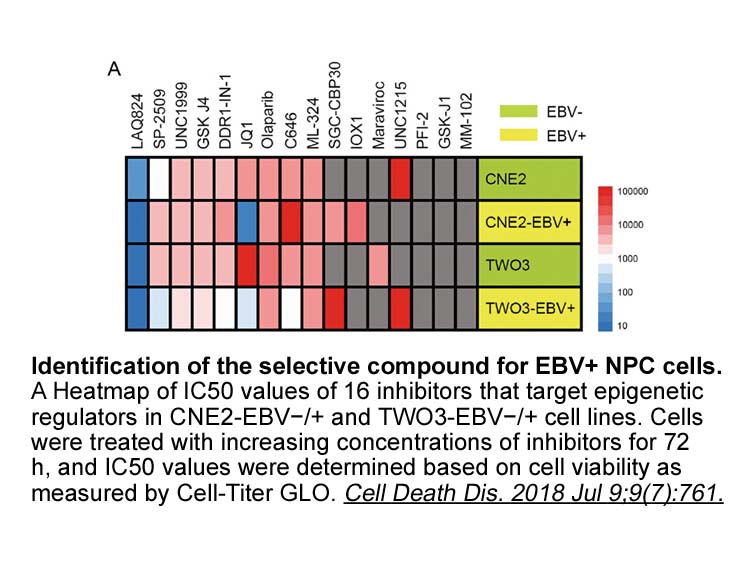
Conflicts of interest Introduction Phosphatidic Fmoc-Lys(Boc)-OH phosphatase (PAP) enzymes are responsible for catalyzing the reaction that dephosphorylates phosphatidic acid (PA), which in turn produces diacylglycerol (DAG) and a phosphate group during phospholipid regulation (Fig. 1A) [1]. S
pcr kits With regard to the first question subcellular
2024-07-02
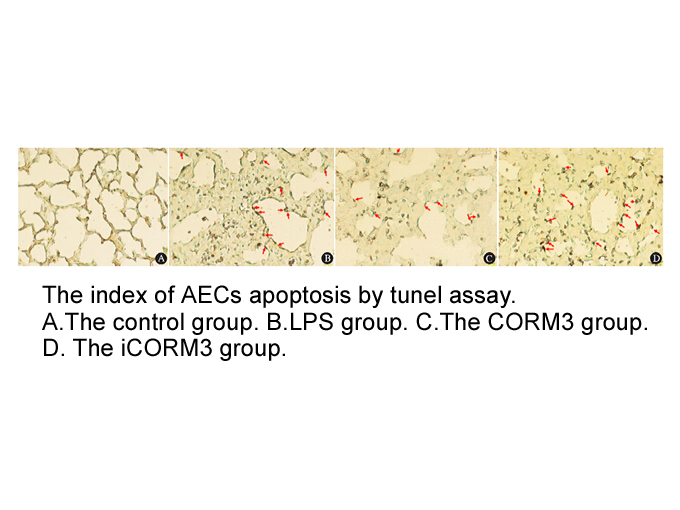
With regard to the first question, subcellular fractionation studies revealed that BDK and PPM1K are clearly detectable in both the mitochondrial and cytosolic subcellular fractions, thus making it possible for these enzymes to interact with both the BCKDH and ACL substrates. The preferential presen
Plant defensins are cysteine rich
2024-07-02
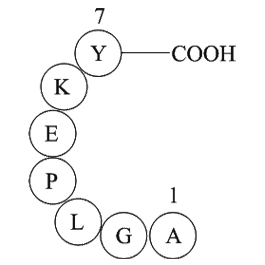
Plant defensins are cysteine-rich cationic peptides of 5–8 kDa whose mature domain comprises 45 to 54 amino MPC 6827 hydrochloride residues, with an isoelectric point around 9. The global fold of plant defensins consists of a cysteine-stabilized motif (CSα/β) made up of an α-helix and a triple-stra
8141 records 162/543 page Previous Next First page 上5页 161162163164165 下5页 Last page