Archives
- 2026-11
- 2026-10
- 2026-09
- 2026-08
- 2026-07
- 2026-06
- 2026-05
- 2026-04
- 2026-03
- 2026-02
- 2026-01
- 2025-12
- 2025-11
- 2025-10
- 2025-09
- 2025-03
- 2025-02
- 2025-01
- 2024-12
- 2024-11
- 2024-10
- 2024-09
- 2024-08
- 2024-07
- 2024-06
- 2024-05
- 2024-04
- 2024-03
- 2024-02
- 2024-01
- 2023-12
- 2023-11
- 2023-10
- 2023-09
- 2023-08
- 2023-07
- 2023-06
- 2023-05
- 2023-04
- 2023-03
- 2023-02
- 2023-01
- 2022-12
- 2022-11
- 2022-10
- 2022-09
- 2022-08
- 2022-07
- 2022-06
- 2022-05
- 2022-04
- 2022-03
- 2022-02
- 2022-01
Although mature fibrils formed from
2024-12-11
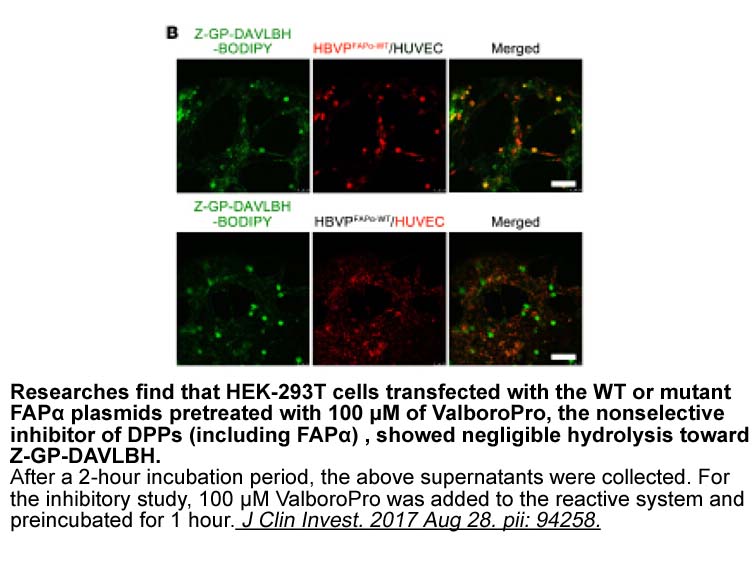
Although mature fibrils formed from Aβ xec have long been thought to be the main neurodegenerative agents in AD, recent evidence suggests that soluble multimers of these pathogenic proteins, referred to here as “oligomers,” may initiate the synaptic and neuronal dysfunction associated with AD and t
AMP activated protein kinase AMPK
2024-12-11
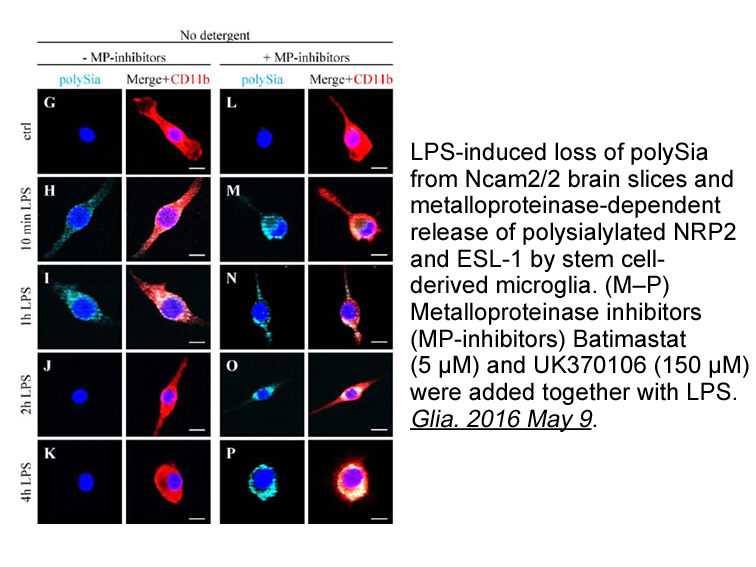
AMP-activated protein kinase (AMPK) is composed of α-, β-, and γ-subunits [17,18]. Phosphorylation of α-subunit at Thr-172 residue is essential for AMPK activation [17,18]. The serine/threonine kinase coordinates metabolic pathways in response to energy supply and demand [17,18]. Studies have shown
br Introduction AMPA receptors AMPARs mediate the majority
2024-12-11
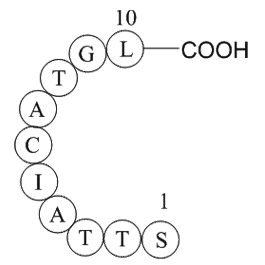
Introduction AMPA receptors (AMPARs) mediate the majority of fast excitatory postsynaptic currents (EPSCs) in the EVP4593 synthesis (Jonas, 2000). The brevity of EPSCs and rapid deactivation of AMPARs depend upon a short lifetime of synaptically released glutamate, estimated to be about 1 ms (Cl
The amino acids evaluated in this
2024-12-11
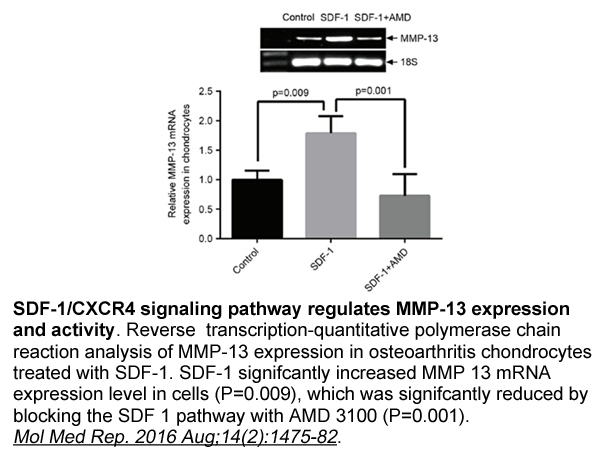
The amino acids evaluated in this study represent proteinogenic (amino acids that are applied in the genetic code) or even essential ones (amino acids that cannot be synthesised by the organism and need to be taken up by nutrition). Tryptophan, phenylalanine, tyrosine, isoleucine, threonine and vali
br Material and methods br Results
2024-12-11
Material and methods Results Discussion Neurotransmitters pathways within vertebrates, including fish, are well conserved (Kreke and Dietrich, 2008, Valenti et al., 2012). Therefore psycopharmaceuticals that are design to act on these pathways in mammals, will possibly interact with the sam
A previous study reported that the serotonergic mechanism wa
2024-12-11
A previous study reported that the serotonergic mechanism was involved in the psychological stress-induced alteration in synaptic plasticity in the rat hippocampal CA1 field (Matsumoto et al., 2004). Sumitaka Inoue et al. (Inoue et al., 2014) reported that pretreatment with a 5-HT1A receptor partial
PL for actin in vitro showed
2024-12-10
PL for AMI5 inhibitor receptor in vitro showed that its profiles, including particular peak and intensity, could determine the length and thickness of an actin filament. Furthermore, we investigated if the PL intensity peak at approximately 340 nm can also be originated from another cytoskeleton fi
Renal cell carcinoma RCC accounts for more
2024-12-10
Renal cell carcinoma (RCC) accounts for more than 12,000 cancer deaths in the United States (Jemal et al., 2003). The current treatment includes surgical resection followed by interleukin-2 or Interferon-α treatment. Some patients experience distant metastatic lesions of RCC. In the last 5 years, re
It is well known that
2024-12-10
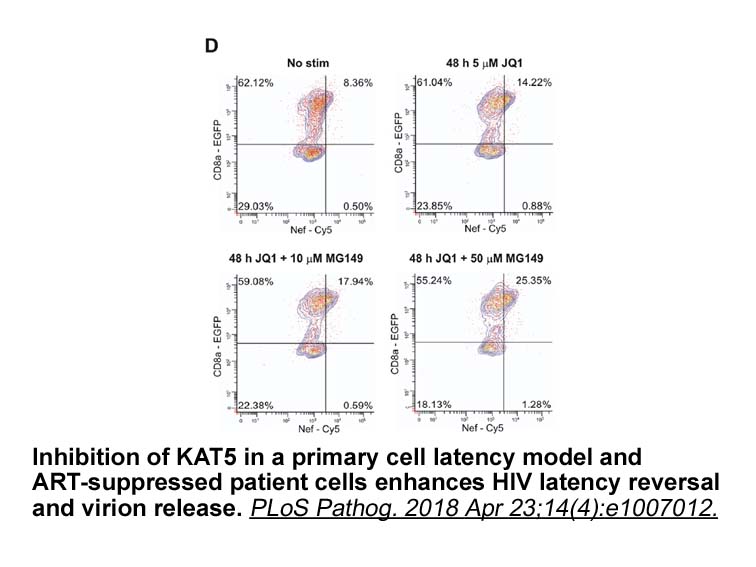
It is well known that the thymus plays an important function in the complex pathogenesis and perpetuation of MG. We compared resistin levels between patients with MG with or without thymoma and found that those with thymoma had higher levels than those without thymoma. It has been previously recogni
iso 1 br The human CYP A gene is located
2024-12-10

The human CYP17A1 gene is located on chromosome 10q24.3 (1) and spans 6.6 kb, which contain eight exons (2) and 1.6 kb of coding region. From this gene, the same 2.1-kb mRNA species is transcribed in both the adrenals and gonads (3), which yields a 57-kDa microsomal cytochrome P450c17 enzyme (CYP1
br Concluding remarks Autophagy ensures cell homeostasis and
2024-12-10
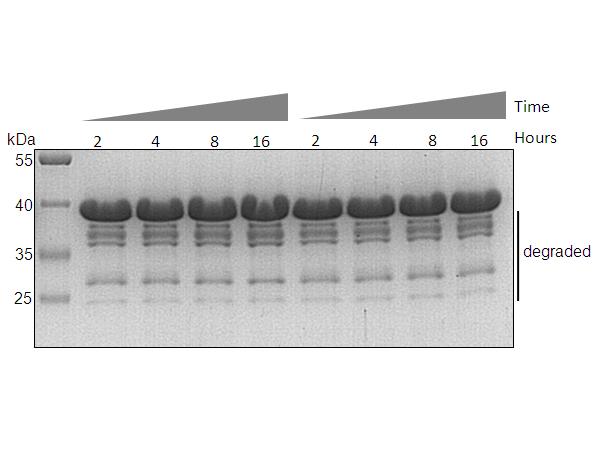
Concluding remarks Autophagy ensures cell homeostasis and survival through the continuous degradation/recycling of intracellular components. It can also represent a conserved, cell-intrinsic, defense mechanism against invading pathogens, including viruses. The autophagy process can be activated r
br Material and methods br
2024-12-10
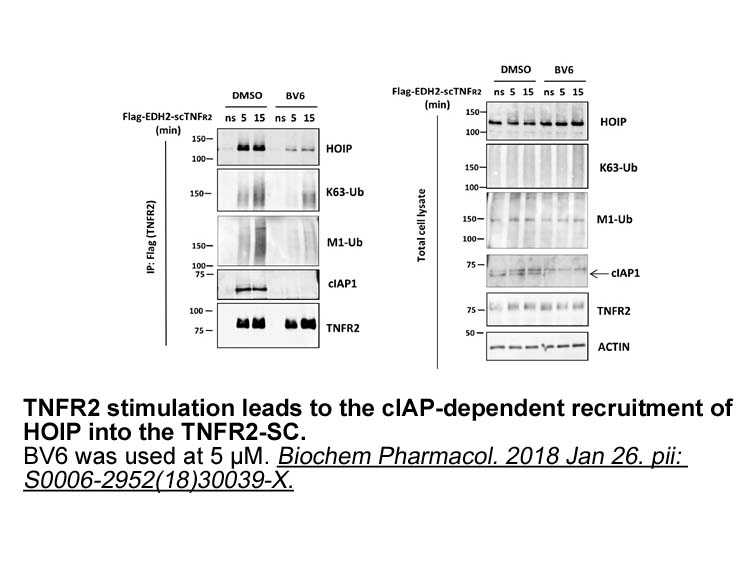
Material and methods Results Discussion Although we were not able to detect 12/15-LOX mRNA in the lungs of 12/15-LOX knockout mice substantial amounts of 15-HETE could be detected in BALF. In fact, significant synthesis of 15-HETE in 12/15-LOX mice have been already reported [17]. The redun
Thirdly and finally multiple studies have analyzed
2024-12-10
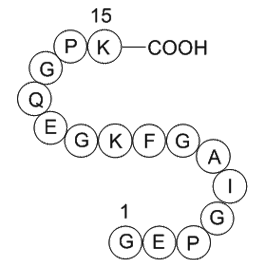
Thirdly and finally, multiple studies have analyzed the activation of neurons in the auditory telencephalic areas of songbirds in response to various auditory stimuli. Neuronal activation was identified by the increased expression of immediate early genes such as fos or ZENK (also know as zif-268, e
Introduction Cytochrome P CYP aromatase catalyzes the conver
2024-12-10
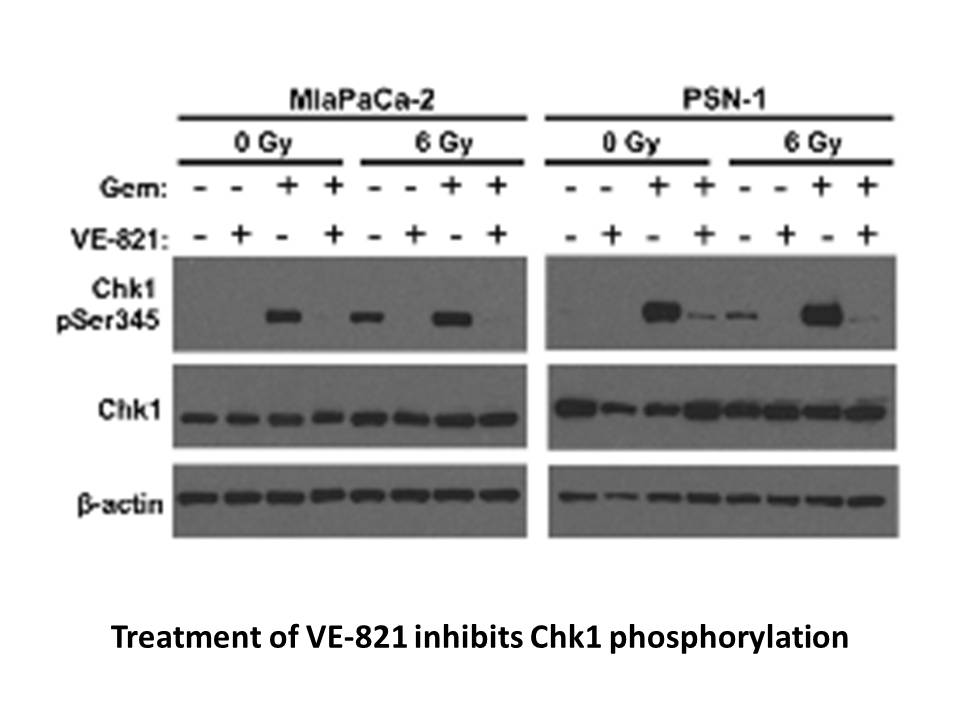
Introduction Cytochrome P450 19 (CYP19; aromatase) catalyzes the conversion of androgens to estrogens in a three-reaction sequence, where each step depends on NADPH and O2 [[1], [2], [3]]. The first two steps are accepted to be hydroxylations of the steroid C19 methyl group, whereas the final step
br Activity and expression of aromatase in the
2024-12-10
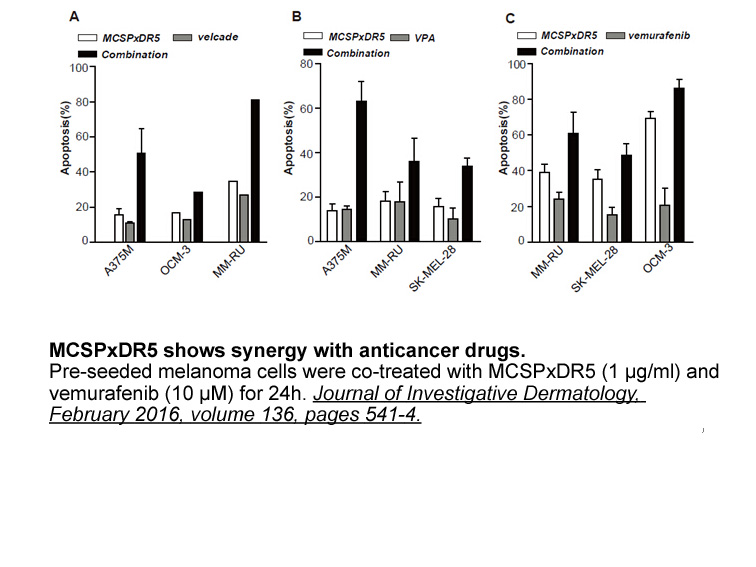
Activity and expression of aromatase in the hippocampus The brain, like the adrenals, gonads and the placenta, is a steroidogenic organ. This paradigm emerged from studies carried out as early as the 1980s by Baulieu and co-workers; these studies showed that steroids such as pregnenolone and dehy
8140 records 83/543 page Previous Next First page 上5页 8182838485 下5页 Last page